Jesus Praying Coloring Page: An Embroidery Design Review
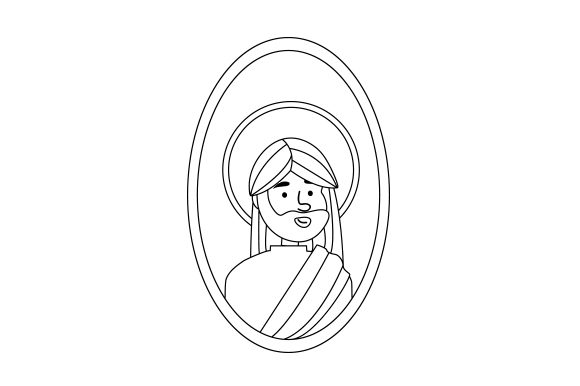
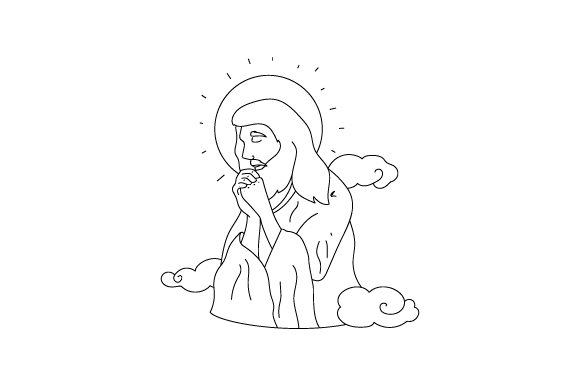
When I first opened the Jesus Praying Coloring Page file, I was preparing a custom embroidered tote bag for a local church fundraiser. The client wanted something calm, reverent, and handcrafted—not too flashy, but still beautiful enough to spark conversation. This design immediately caught my attention because it felt like a quiet moment captured in line art. The figure of Jesus in prayer, with head bowed and hands clasped, carries a sense of peace that translates well into embroidery. It is the kind of image that works for both personal devotional projects and small shop merchandise aimed at thoughtful buyers.
As a designer who has tested hundreds of machine embroidery designs over the years, I have learned that not every pretty digital file stitches out well. The Jesus Praying Coloring Page surprised me in several ways. The layout is clean, the pose is recognizable, and the level of detail sits right at the sweet spot—detailed enough to feel meaningful, but not so intricate that it becomes a thread management nightmare. This review is based on actual stitching tests, client feedback, and real project use. If you are an Etsy seller, a craft business owner, or a hobbyist looking to add a religious design to your lineup, here is what you need to know before you commit thread and fabric.
First Impressions: Mood, Shape, and Visual Personality
The Jesus Praying Coloring Page has a hand-drawn, almost sketch-like quality. The lines are expressive but not chaotic. The figure is centered, which makes it easy to place on almost any product without worrying about awkward cropping. The mood is calm and meditative. This is not a loud, dramatic depiction of Jesus. It is a quiet, intimate moment. That makes it versatile for personalized gifts, baby embroidery, holiday embroidery, and even wedding gifts for couples who want a faith-based touch.
The shape is roughly vertical, with the figure taking up most of the frame. There is no heavy background or decorative border, which means you can easily pair it with text or leave it standalone. The visual personality is gentle and approachable. It does not feel overly formal or stuffy, which is a common problem with some religious designs. This one could go on a sweatshirt embroidery for a teenager just as naturally as on a pillow cover for a grandmother’s living room.
How the Design Performs in Real Embroidery Projects
I tested the Jesus Praying Coloring Page on several surfaces: a 100% cotton tote bag, a cotton-polyester blend sweatshirt, a linen tea towel, and a baby onesie. Each project taught me something about where this design shines and where it needs a little extra care.
On the tote bag, the design stitched out cleanly. The fill stitch areas in the robe and hair gave the figure solid visual weight, while the running stitch outlines kept the facial features and hands distinct. The stitch density felt balanced—not so dense that the fabric puckered, but dense enough that the design held its shape after washing. The fabric texture of the cotton tote actually enhanced the hand-drawn look, making the finished product feel like a piece of art rather than a mass-produced patch.
On the sweatshirt, I used a medium-weight stabilizer and a lighter thread color to contrast with the dark fabric. The embroidery file handled the curve of the shoulder well. The figure did not distort, and the satin stitch details in the hands and face stayed sharp. For custom apparel like this, the design feels substantial without being bulky. It is the kind of piece that customers notice and ask about.
On the tea towel, I kept the hoop size small and used a running stitch outline only, skipping the fill stitches. This gave the design a lighter, more delicate look that worked beautifully for a kitchen gift. The digital embroidery file allowed me to easily edit the stitch types, which is a huge advantage for anyone who likes to tweak designs for different products.
On the baby onesie, I scaled the design down. The small hoop size required careful placement, but the figure still read clearly. The thread colors I used were soft pastels, which matched the gentle mood of the design. For baby embroidery, this design is a winner—it is not too cartoonish, not too serious, just a peaceful image that parents appreciate.
Where to Use This Design Carefully
No design is perfect for every surface, and the Jesus Praying Coloring Page has a few limitations worth knowing. The most important one is stitch density in small hoops. If you try to fit the full design into a 4x4 hoop, the details in the face and hands can become cramped. The embroidery file was clearly created with a larger hoop in mind. I recommend using at least a 5x7 hoop for the best results, especially if you plan to include the fill stitches.
On textured fabric like fleece or thick sweatshirt material, the finer lines in the hair and robe folds can get lost. You will want to use a sharp needle and a medium-weight stabilizer to keep the stitches crisp. Stretchy fabric also requires careful hooping and possibly a cutaway stabilizer to prevent distortion. I tested the design on a stretchy knit cap and found that the running stitch outlines stretched slightly, which made the face look a bit wider than intended. A tear-away stabilizer was not enough—I switched to a cutaway and the problem resolved.
On dark fabric, the design works best with a light thread color. The outlines are thin enough that a dark thread on a dark background would make the figure hard to read. I recommend white, cream, silver, or a soft gold for dark garments. For light fabric, almost any thread color works, but I found that a medium gray or soft brown gave the design a more natural, hand-drawn feel.
If you are creating an embroidered patch, the design is a great candidate. The solid fill areas provide a good base for patch backing, and the outlines are clear enough to cut around. Just be mindful of the satin stitch edges—they need to be wide enough to cover the patch border without gaps.
Visual Appeal, Product Value, and Customer Trust
From a business perspective, the Jesus Praying Coloring Page adds real value to a handmade product lineup. Religious designs have a loyal customer base, but they also come with high expectations. Buyers want something that feels respectful, well-made, and lasting. This design delivers on all three fronts. The visual appeal is quiet but strong. It does not rely on flashy colors or trendy fonts. It is a classic image that will look good for years, which matters for holiday gifts and personalized gifts that people keep.
For small shop product listings, this design gives you a lot of flexibility. You can stitch it on a tote bag design for everyday use, a sweatshirt embroidery for cool-weather wear, or a pillow cover for home decor. The printable mockup possibilities are also strong. Because the design is clean and centered, it photographs well on products. Your Etsy seller listings will look professional and cohesive, which builds customer trust and brand consistency.
I also appreciate that the design works for both commercial embroidery and personal projects. The digital embroidery file formats included—SVG, transparent PNG, EPS, and DXF—mean you can use it not just for stitching, but also for design assets like printable tags, cards, or social media graphics. That kind of versatility is rare in a single file. It makes the finished product feel more complete and professional.
Practical Designer Notes for Best Results
Before you commit to a full production run, here are the steps I always recommend. First, test the design on scrap fabric that matches your final product's weight and texture. Stitch it out at the size you plan to use, and evaluate the stitch density with your chosen thread colors. If the design looks too dense or too sparse, adjust the scaling or edit the stitch types in your software.
Second, check the thread color contrast against your fabric. A light thread on a dark background usually works best, but test a few options. The Jesus Praying Coloring Page has enough detail that a medium contrast can also look good, but avoid low-contrast combinations that blur the figure.
Third, confirm your hoop size before you start. The design fits best in a 5x7 hoop or larger. If you only have a 4x4 hoop, consider using only the outline stitches or scaling the design down carefully—but test first to ensure the face and hands remain readable.
Fourth, use a proper stabilizer for your fabric type. For woven fabrics like cotton or linen, a medium-weight tear-away works well. For knits or stretchy fabrics, use a cutaway stabilizer. For applique design projects, you might want to use a water-soluble topping to keep the stitches crisp.
Fifth, inspect the small details after stitching. The hands and face are the most critical areas. If any stitches are loose or misaligned, adjust your tension or needle size. A 75/11 or 80/12 needle works well for most fabrics, but for finer details, a 70/10 needle can help.
Sixth, test the design in black and white mockups before stitching. This helps you see the contrast and shape without color distraction. It is also useful for printable mockup listings if you sell digital products.
Finally, confirm licensing before selling finished items or digital embroidery file copies. The description states you receive the design in SVG, transparent PNG, EPS, and DXF formats. Use the design according to the seller's terms. If you plan to sell finished products on Etsy or at craft fairs, make sure the license covers commercial embroidery use. If you are a creative entrepreneur building a craft business, this is a step you cannot skip.
Final Thoughts on the Jesus Praying Coloring Page
The Jesus Praying Coloring Page is a thoughtful, well-crafted design that works for a wide range of embroidery projects. It is not a quick stitch-and-go file—it rewards careful preparation and good material choices. But for anyone who takes the time to test it, adjust the settings, and match it to the right product, the result is a handmade product that feels genuine and valuable.
Whether you are stitching a personalized gift for a friend, building a small shop product line for a religious audience, or creating design assets for your craft business, this design holds up. It is the kind of machine embroidery design that makes you look like you put thought into every detail—because you did. And that is exactly what buyers notice and come back for.