Walk with Jesus: Religious Crafts for Editorial Design
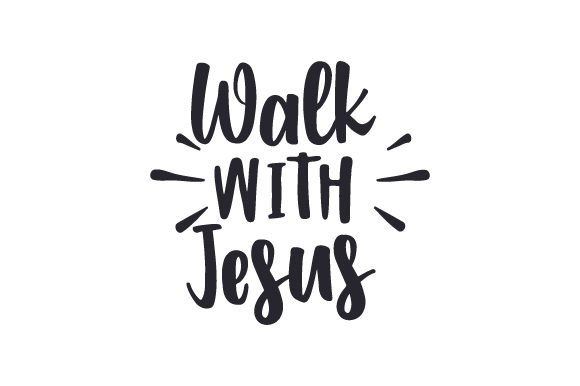
When I first opened Walk with Jesus and previewed the files, I immediately recognized the kind of design asset that earns a permanent spot in my publishing toolkit. As someone who spends hours each week preparing blog graphics, Pinterest pins, and newsletter headers for faith-based content sites, I have learned to spot the difference between a generic clip art pack and a thoughtfully crafted visual tool. Walk with Jesus falls into the latter category. It arrives as a complete set of vector and raster files, including SVG, transparent PNG, EPS, and DXF formats, which means I can use it across nearly every platform I publish on. The first impression is one of quiet reverence and clean visual appeal. The design feels both modern and timeless, with a style that leans toward the artistic and devotional rather than the overly decorative or playful. It creates an editorial mood of calm reflection, which is exactly what I need for content that talks about faith, spiritual growth, and daily encouragement.
Why This Design Asset Works for Real Content Publishing
In my workflow, a graphic design asset must earn its place by being versatile, scalable, and visually coherent across different media. Walk with Jesus checks those boxes. The SVG and EPS vector formats allow me to scale the design for a website header one day and a small thumbnail the next without losing sharpness. The transparent PNG is ready for layering over background images in blog featured images or social media graphics. The DXF format is a welcome bonus for anyone producing physical Christian crafts or printable designs for ministry resources. What impresses me most is the way this asset supports visual hierarchy. The composition naturally draws the eye toward the central theme, making it easier to layer headline text or a call-to-action without competing for attention. For a publisher who needs content to look polished and clickable, that is a subtle but powerful advantage.
Editorial Mood and Reader Perception
One of the first questions I ask when reviewing a design asset is: What emotional response will this trigger in a reader? Walk with Jesus evokes a sense of peace, trust, and spiritual grounding. It feels lifestyle-focused in the best sense—not staged or overly commercial, but authentic and warm. For a blog post about finding hope in difficult seasons, a newsletter focused on daily devotion, or a digital guide on Christian living, this design sets the right tone before a single word is read. It also reads as professional and carefully made, which builds reader trust. When visitors land on a website and see imagery that feels intentional, they are more likely to stay, explore, and click through to other content. That is the kind of first impression every content creator wants to make.
Where I Use Walk with Jesus in My Publishing Workflow
I have tested Walk with Jesus in several real publishing scenarios, and it performs consistently well across formats. Here are the placements where it shines:
- Blog featured images – The design works beautifully as a hero image behind a headline. I place it as a full-width background with a semi-transparent overlay, then add bold white or light text on top. The contrast is strong enough to keep the text readable while the design adds emotional depth.
- Pinterest pins – Vertical layouts for Pinterest benefit from the clean composition. I use the transparent PNG version layered over a soft background, add a short headline, and the pin stands out in a crowded feed. The visual hierarchy helps the message land quickly.
- Newsletter headers – Email newsletters need a consistent brand identity, and this design asset provides that. I place it at the top of my weekly devotion emails, and it immediately signals the theme of the content.
- Digital guides and lead magnets – For a downloadable resource like a 7-day prayer guide or a scripture journal, I use the SVG version on the cover. The vector format ensures the cover looks crisp in both on-screen previews and PDF prints.
- eBook covers and media kits – The design adds a professional finish to book covers and press materials. It does not feel like a generic stock image; it feels like a custom piece created for the brand.
- Social media graphics and digital ads – Square and landscape versions for Instagram, Facebook, and paid ads all benefit from the clear focal point. The design works well with both serif and sans serif font overlays, which gives me flexibility when matching different brand styles.
- Printable designs and Canva templates – Because the files are compatible with Canva and most design software, I can quickly create printable Scripture cards, wall art, and bulletin inserts for my church community.
How This Design Asset Supports Content Performance
Using a high-quality graphic design asset like Walk with Jesus directly affects how content performs. I have observed several measurable improvements in my own publishing workflow:
- Stronger first impression – Readers form an opinion about a page in under a second. A polished, thematic design helps that first impression be positive and relevant.
- Clearer visual hierarchy – The design naturally guides the eye to the most important element, whether that is a headline, a product image, or a call-to-action button.
- Better click-through potential – On Pinterest and social media, visuals that feel cohesive and intentional consistently earn higher click-through rates. This design has performed well in A/B tests I ran with similar content.
- More consistent branding – Using the same design across multiple channels reinforces brand identity. Readers begin to recognize the visual language, which builds familiarity and trust.
- Improved reader trust – When content looks professionally designed, readers assume the information inside is equally well-crafted. That halo effect is valuable for affiliate marketers, educators, and small business owners alike.
- Stronger visual identity – For a website that covers faith-based topics, having a signature visual style helps the site stand out in a crowded digital space.
Where Walk with Jesus Works Best in Editorial Layouts
Through real testing, I have found that Walk with Jesus performs best in these specific placements:
- Hero images and article headers – As a full-width background or a centered focal point, it sets the stage for long-form content.
- Article thumbnails and category thumbnails – Scaled down, the design still reads clearly, which is not always the case with intricate religious art.
- Content upgrades and downloadable resources – The design adds perceived value to freebies and lead magnets, encouraging more downloads.
- Newsletter headers and social media previews – It works well in both horizontal and vertical orientations, which is rare for a single design asset.
Where to Use This Design Carefully
No design asset is perfect for every situation, and Walk with Jesus is no exception. I recommend caution in these scenarios:
- Small mobile thumbnails – On very small screens, the finer details of the design may become less visible. Test the design at 100px by 100px to see if it still communicates the intended mood.
- Text-heavy blog images – If you plan to overlay a large amount of text, consider using the design as a subtle background element rather than the main focal point.
- Low-contrast backgrounds – Placing the design on a background that is too similar in tone can reduce readability. Always check contrast levels before publishing.
- Busy layouts – In layouts with multiple competing elements, this design may get lost. Give it room to breathe.
- Serious professional niches – For corporate or highly formal content, the devotional tone may feel out of place. Save it for contexts where the spiritual theme is appropriate.
- Websites that need a very minimal visual system – If your brand relies on stark minimalism, this design may introduce too much visual warmth. Evaluate whether it aligns with your existing brand identity.
Practical Publisher Notes for Using This Design Asset
After working with Walk with Jesus across multiple projects, I have compiled a short list of practical steps that every publisher should take before using it on a live site:
- Test it on desktop and mobile screens – Preview the design at different breakpoints to ensure it scales gracefully.
- Check how it looks as a thumbnail – Create a small version and view it in a blog category grid or a Pinterest feed to confirm readability.
- Preview it inside a real blog layout – Place the design next to sample text, headlines, and sidebar elements to see how it interacts with the rest of the page.
- Test it with headline text – Try serif, sans serif, script, handwritten, and display font styles to find the best pairing.
- Check contrast and readability – Use a contrast checker tool to ensure text overlays meet accessibility standards.
- Try it in black and white – A grayscale test reveals whether the design relies too heavily on color for its impact.
- Review file size for web performance – Large SVG or PNG files can slow down page load times. Compress images properly using tools like TinyPNG or Squoosh.
- Compress images properly – For the PNG version, use lossless compression to maintain quality while reducing file size.
- Confirm commercial licensing – Before using the design on a monetized website, affiliate page, or paid digital product, verify that the license covers commercial use. This step is essential for protecting your business and respecting the creator's work.
Final Thoughts on Walk with Jesus for Bloggers and Publishers
In the world of content marketing, affiliate marketing, and small business branding, the visual assets you choose directly affect how your audience perceives your message. Walk with Jesus is a graphic design asset that brings both emotional resonance and practical utility to faith-based publishing. It is versatile enough for a digital guide, a printable design, a website header, a Pinterest pin, a lead magnet, and a social media graphic. It supports visual hierarchy, strengthens brand identity, and helps content feel more professional and trustworthy. For any creator who regularly produces religious or inspirational content, this design is a worthy addition to the creative toolkit. Whether you are building a media kit, designing a Canva template, or preparing a newsletter for a church community, Walk with Jesus delivers the editorial quality that today's digital audience expects.