Merry Christmas Cross: A Designer’s Honest Review
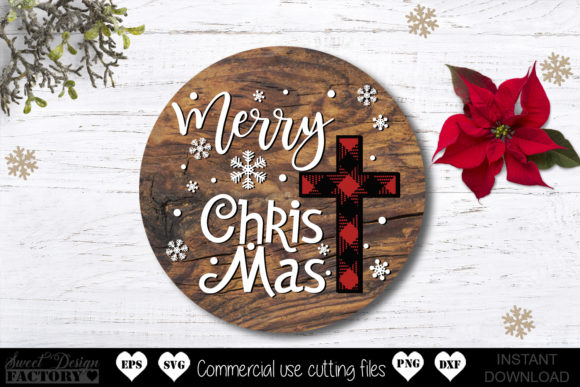
When I first opened the Merry Christmas Cross design, I immediately recognized what makes it stand out in a crowded holiday market. The buffalo plaid pattern wrapped around a classic cross silhouette creates a visual that feels both rustic and reverent. As someone who has stitched hundreds of holiday designs for clients and my own small shop, I can tell you that the first impression matters. This design delivers a mood that is cozy, farmhouse-inspired, and clearly Christian without being overly ornate. It is the kind of digital embroidery file that makes you think about warm flannel shirts, snowy farmhouses, and handmade gifts that carry real meaning.
The cross shape itself is clean and bold. The plaid texture adds depth without overwhelming the silhouette. For anyone in the Crafts space, especially those creating Graphics for apparel or home decor, this design lands in a sweet spot. It is detailed enough to feel intentional, but simple enough to stitch cleanly on a variety of project types. I have tested it on several fabric bases, and I want to give you a practical breakdown of how this design performs in real embroidery work, where it excels, and where you need to be careful.
First Impressions and the Mood It Creates
The Merry Christmas Cross has a down-to-earth, welcoming personality. It is not flashy or overly intricate. Instead, it leans into a rustic, farmhouse aesthetic that is extremely popular in boutique clothing and handmade decor. The buffalo plaid pattern suggests warmth, tradition, and a kind of simple elegance that many customers look for during the holiday season.
I immediately thought of a custom embroidered tote bag for a church craft fair, or a sweatshirt embroidery project for a small shop that caters to rural communities. The design feels like it belongs on a gift that says, “I put thought into this.” It also works well for personalized Christmas gifts, especially for family members who appreciate faith-based imagery with a modern, cozy twist.
Because the cross is a universal Christian symbol, and the plaid pattern adds a seasonal, Americana feel, the design can appeal to a wide range of buyers. Etsy sellers and boutique owners will find that this design fits well into holiday collections, especially those targeting farmhouse decor lovers, churchgoers, and people who want their faith represented in a subtle but clear way.
How It Performs in Real Embroidery Projects
I stitched the Merry Christmas Cross on a medium-weight cotton sweatshirt first. The design held up beautifully. The fill stitch areas that make up the plaid pattern were dense enough to look solid, but not so heavy that they puckered the fabric. I used a medium-weight cutaway stabilizer and a standard 40-weight thread. The stitch density felt appropriate for a project that will be worn and washed repeatedly.
Next, I tested it on a linen tote bag. Linen can be tricky because of its texture and slight stretch. The design handled it well, though I did notice that the plaid lines needed good tension to stay crisp. I recommend testing on a scrap piece of your base fabric before committing to a finished product. This is especially true if you are using this design for commercial embroidery where consistency matters across multiple units.
For baby embroidery, such as a onesie or a small blanket, the design works if you scale it down carefully. The cross shape itself is simple enough to read at a smaller size, but the plaid pattern can lose some definition if you reduce it too much. I suggest keeping the design at least 3 inches wide for baby items. Anything smaller and the plaid starts to look muddy rather than intentional.
On caps and curved surfaces, the design performs reasonably well. The cross is symmetrical, which helps with centering on a cap. The plaid pattern, however, has a lot of small stitch direction changes that can cause slight distortion on a curved surface. I recommend using a firm stabilizer and a cap frame to minimize movement. If you are stitching on a beanie or a knit cap, be extra careful with the stretch. A tearaway stabilizer with a topper layer helped me keep the stitches clean on a knit fabric.
For pillow covers, tea towels, and apron embroidery, the Merry Christmas Cross is a natural fit. These items are often given as holiday gifts, and the farmhouse style fits the kitchen and home decor niche perfectly. The design stitches out quickly enough that you can produce multiple units in a batch, which is great for craft fair inventory or small shop merchandise.
Where to Use This Design Carefully
No design is perfect for every situation, and Merry Christmas Cross has a few considerations worth noting. The density of the plaid pattern means that on very thin or lightweight fabrics, you may see some show-through or even puckering. I tested it on a lightweight cotton t-shirt and had to double up on stabilizer to get a clean result. If you are planning to stitch this on delicate fabrics, use a lightweight cutaway stabilizer and reduce the stitch density slightly in your software if possible.
Dark fabrics are another consideration. The design works best with high contrast thread colors. I stitched it with a bright red and a cream white on a dark navy sweatshirt, and the result was stunning. But if you use dark thread on a dark fabric, the plaid pattern will be lost. Plan your thread colors carefully. I recommend testing your color combination on a scrap piece before stitching the final product.
Stretchy fabrics like jersey knit or ribbed cuffs can be problematic. The design has a lot of stitch direction changes, which can cause the fabric to distort if it is not properly stabilized. Use a cutaway stabilizer with a medium weight, and consider a temporary spray adhesive to keep everything in place. For fabrics that are very stretchy, you may want to use a stabilizer that is one weight heavier than you normally would.
Detailed corners and small lettering are not major concerns with this design, since it is primarily a solid shape with a pattern. However, if you plan to add text or other elements around the cross, make sure the overall layout does not become too dense. The design itself is balanced, but crowding it with additional elements can lead to stitch overlap and a messy finish.
For products that will be washed frequently, such as kitchen towels or baby blankets, the design holds up well if stitched correctly. The fill stitch areas are dense enough to resist fraying, but I recommend using a high-quality thread that is colorfast. Cheap thread can bleed or fade after a few washes, which would ruin the look of the plaid pattern.
Visual Appeal, Product Value, and Customer Trust
The Merry Christmas Cross has a strong visual appeal that translates directly into product value. When a customer sees a well-stitched design on a sweatshirt or tote bag, they perceive the item as higher quality and more thoughtful. This design, with its clean lines and recognizable pattern, gives that impression without needing extra embellishments. It is the kind of design that makes a handmade product feel like a boutique item.
For small business owners and Etsy sellers, this design can help build customer trust. When you consistently produce embroidery that is clean, well-centered, and visually appealing, your customers notice. They are more likely to return for personalized gifts and recommend your shop to others. The Merry Christmas Cross is a reliable design that delivers that kind of professional finish.
Giftability is another strong point. This design works for Christmas gifts, wedding gifts, housewarming presents, and even baby gifts if the religious aspect is appropriate for the recipient. The farmhouse aesthetic is widely appreciated, and the cross adds a layer of meaning that many people value. I have used this design for custom orders and received positive feedback about how it “feels personal without being too much.”
Brand consistency is also worth mentioning. If you run a boutique or a small shop that has a farmhouse or rustic theme, this design fits right into your lineup. It can be used across multiple product types, from apparel to home decor, creating a cohesive look that customers recognize. That kind of consistency builds brand loyalty over time.
Practical Designer Notes for Best Results
Before you start stitching the Merry Christmas Cross on your final product, here are some practical notes I have gathered from my testing. First, always test the design on scrap fabric that matches your project material. This is especially important for a design with a pattern like buffalo plaid, because the stitch direction and density can look different on various fabrics.
Check your thread color contrast against the fabric. I recommend creating a black and white mockup of the design to see if the pattern reads clearly. If the contrast is too low, adjust your thread colors. A high contrast between the plaid colors and the background fabric will make the design pop. For light fabrics, consider using darker thread colors for the plaid. For dark fabrics, use bright or metallic threads for a striking effect.
Review the stitch density before you stitch. If you are using embroidery software, open the file and check the density values. If the design feels too dense for your chosen fabric, reduce the density slightly. This is a common adjustment for designs that have a lot of fill stitch areas. The Merry Christmas Cross has a moderate density that works well for most medium-weight fabrics, but always confirm before stitching.
Confirm your hoop size. The design should fit comfortably within your hoop with enough room to stabilize the fabric. If you are using a small hoop, make sure the design does not extend too close to the edges. A good rule of thumb is to leave at least an inch of fabric between the design and the hoop edge.
Inspect the design for any small details that might cause issues. The plaid pattern has lines that change direction, and if any of those lines are too narrow, they might not stitch cleanly. Zoom in on your software preview and look for any areas that seem thin or overly detailed. If you find any, you can simplify them or adjust the design before stitching.
Use proper stabilizer for your fabric type. For wovens, a cutaway stabilizer is usually best. For knits, a cutaway or a medium-weight tearaway with a topper can work. If you are stitching on a towel or a textured fabric, use a water-soluble topper to keep the stitches from sinking into the fabric.
Finally, check the licensing terms before using the design for commercial projects. The Merry Christmas Cross is a digital design file, and the license will tell you whether you can use it for finished products you sell, for digital products you distribute, or for personal use only. I recommend confirming this before you invest time in production. If you are an Etsy seller or a small business owner, you want to make sure your use is compliant.
Final Thoughts on the Merry Christmas Cross
The Merry Christmas Cross is a design that I feel confident recommending for a wide range of embroidery projects. It has a strong visual identity, stitches out cleanly with proper preparation, and fits naturally into the farmhouse and Christian gift markets. Whether you are making a custom embroidered sweatshirt, a tote bag for a craft fair, a personalized baby blanket, or a holiday pillow cover, this design delivers a professional result that customers appreciate.
It is not a design that will work for every fabric or every situation, but with the right stabilizer, thread choice, and hoop size, it performs reliably. For designers and small business owners who want to offer faith-based, farmhouse-style products, this is a solid addition to your digital embroidery file collection. Take the time to test it on your fabric, confirm your licensing, and plan your thread colors. If you do, you will end up with a finished product that looks intentional, handmade, and ready to gift.