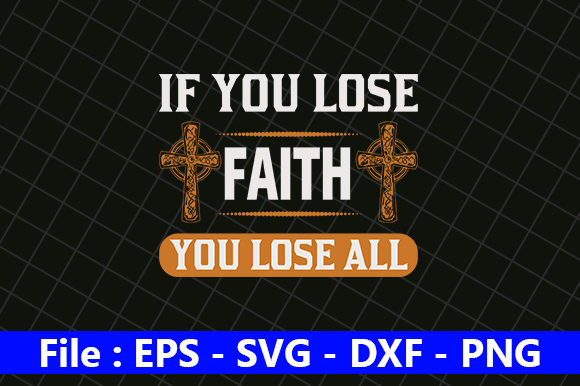
If Your Lose Faith You Lose All: Graphics & Crafts for Branding
First Impressions and the Emotional Tone of This Design Asset
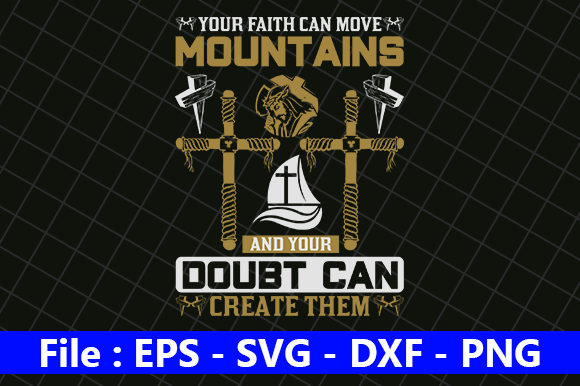
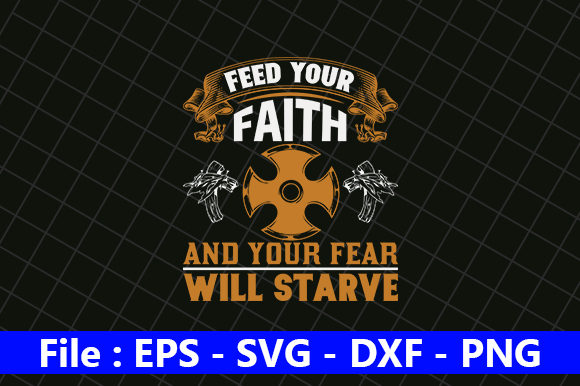
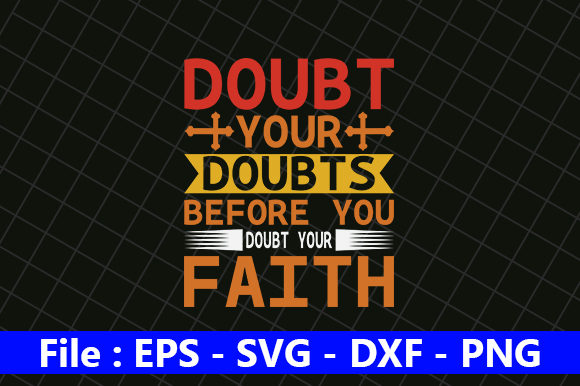
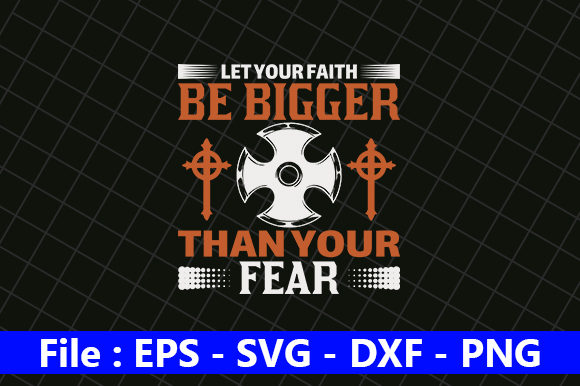
When I first opened If Your Lose Faith You Lose All, I immediately recognized the weight of the message. This is not a neutral graphic. It carries a strong emotional current—one of perseverance, conviction, and resilience. As a brand designer, I look for assets that do more than decorate. They need to communicate. This design does exactly that. The typography, layout, and overall treatment create a mood that feels both personal and declarative. It speaks to an audience that values faith, endurance, and clarity of purpose. For content creators and small business owners working in lifestyle, Christian-themed merchandise, motivational content, or handmade products, this asset brings a voice that feels authentic and grounded. The aesthetic leans toward a modern, sincere style that can elevate a brand identity without feeling overly polished or corporate. It feels like a tool for storytelling, not just decoration.
How If Your Lose Faith You Lose All Fits a Real Campaign Workflow
Let me walk you through a real scenario. A small business owner I work with is preparing a seasonal product launch centered on a theme of endurance and hope. They need visuals for social media graphics, packaging inserts, email banners, and a limited-edition product label. We are building a content kit that feels cohesive but not repetitive. I bring If Your Lose Faith You Lose All into the process as a core graphic design asset. The design immediately anchors the campaign. It works as a hero graphic for the launch announcement on Instagram and Facebook. The same file, repurposed as a PNG with a transparent background, becomes a striking accent on the product label. The EPS and SVG files allow me to scale the design for a large banner without losing quality. The DXF file even finds a place in a vinyl decal for the packaging. This is the kind of versatility that saves time and keeps the visual story consistent across every touchpoint. The campaign feels intentional, not thrown together.
Evaluating Performance Across Marketing and Branding Touchpoints
In my review, I test If Your Lose Faith You Lose All across multiple channels to see where it truly shines. On social media graphics, especially Instagram posts and Pinterest pins, the design commands attention. The message is clear, and the visual hierarchy is strong enough to hold its own in a crowded feed. For digital ads, the asset works well when placed against a clean, high-contrast background. It does not get lost. On blog graphics and website headers, it adds a layer of emotional resonance that can increase audience trust and engagement. For editorial design, such as a lead magnet or a media kit, the asset brings a human, grounded feel that balances well with structured layouts. I also tested it inside a Canva template workflow. The PNG files import smoothly, and the scalability of the SVG makes it easy to adjust for different formats. For product labels and packaging design, the design adds a premium, crafted feel that supports a handmade or small-batch brand identity. The commercial design value here is high, especially for anyone selling on creative marketplaces or running a Christian-focused brand.
Marketing Goals This Design Asset Can Support
From a content marketing perspective, If Your Lose Faith You Lose All helps achieve several specific goals. First, it strengthens a first impression. When a potential customer sees this design, they immediately understand the tone and values of the brand. Second, it improves visual hierarchy. The layout is clear enough that the message does not compete with other elements. Third, it builds audience trust. The sincerity of the design signals that the brand is authentic and not just chasing trends. Fourth, it creates emotional connection. The phrase itself is a statement of conviction, and when paired with thoughtful design, it resonates deeply with the right audience. Fifth, it supports professional branding. Even though the asset has a handmade, crafted feel, the execution is clean and intentional. It does not look amateur. For small business branding, this is a major advantage. You get the warmth of a personal design without sacrificing polish.
Where If Your Lose Faith You Lose All Works Best
Based on my testing, this graphic design asset performs strongest in certain contexts. Use it as a hero graphic for campaign headers, product launch visuals, or branded templates. It works beautifully as a focal point on social media covers and in content bundles. On packaging accents, the design adds a layer of meaning that turns a simple box into a memorable experience. I also recommend it for promotional banners, editorial layouts, and decorative brand elements where the message is meant to be front and center. The design is at its best when given space to breathe. It does not need to be surrounded by busy patterns or competing typography. Let it lead the visual story.
Where to Use This Asset with Caution
No design asset is universal, and If Your Lose Faith You Lose All has clear limitations. I would avoid using it in formal corporate branding where the tone needs to be neutral or highly professional. The emotional weight of the design may feel out of place in a dense information layout, such as a data-heavy report or a technical infographic. On small mobile graphics, the text may become difficult to read, especially if the design is scaled down too aggressively. Test it on a mobile screen before committing to a small format. Low-contrast backgrounds can also mute the impact. The design works best when there is a clear, light or dark backdrop. If your brand is extremely minimal or relies on subtle, understated visuals, this asset may compete with the overall aesthetic. Similarly, in text-heavy ads where the main message is already dense, adding this design could create clutter rather than clarity. Always check that the asset supports the main message, not distracts from it.
Practical Brand Designer Notes Before You Use It
Before you integrate If Your Lose Faith You Lose All into your marketing visuals, I recommend a few practical steps. Test it with your brand color palette. The design has a strong default mood, but it may shift significantly when recolored. Check a black and white version to ensure the contrast and hierarchy hold up without color. Place the design inside real campaign mockups—not just on a white screen. This will reveal how it interacts with other elements like photos, text blocks, and logos. Preview it on mobile screens. I cannot stress this enough. The readability of the phrase in small sizes is critical. Compare it against competitor visuals. Does it help you stand out or blend in? Pair it with different font styles. I tested it with a serif font for a traditional feel, a sans serif font for a modern look, a script font for warmth, and a handwritten font for a raw, personal tone. The design pairs best with clean, readable fonts that do not compete with the message. Review spacing and balance. The asset should not feel cramped or overwhelmed by surrounding elements. Finally, confirm the commercial license. If you are using this in paid campaigns, client work, or business branding, make sure the license allows commercial use. This is a standard step with any digital product, but it is worth repeating.
Final Thoughts on If Your Lose Faith You Lose All as a Brand Asset
For brand owners, content creators, and small business owners looking for a graphic design asset that carries emotional weight and visual clarity, If Your Lose Faith You Lose All is a strong option. It works across multiple formats—social media graphics, packaging design, product labels, digital ads, and editorial layouts. It supports key marketing goals like stronger first impressions, clearer visual hierarchy, and deeper audience trust. The design feels modern, sincere, and crafted. It is not a generic clipart. It is a commercial design tool that can elevate a campaign when used thoughtfully. Just be mindful of where it fits best and where it may need to be scaled back. With the right strategy, this asset can become a memorable part of your brand identity and content marketing toolkit.