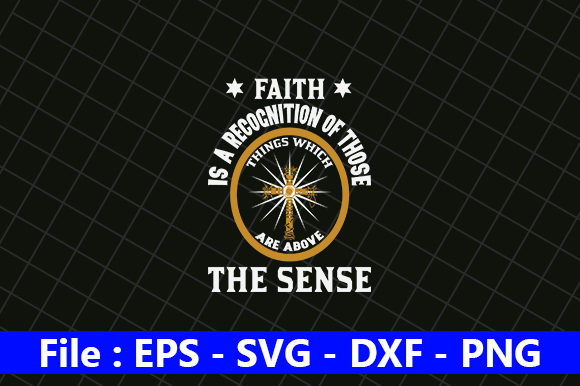
Faith is a Recognition Quote – A Designer's Review
When I first opened Faith is a Recognition Quote and examined the layout, I immediately appreciated the calm, reflective mood it carries. The phrasing has a thoughtful rhythm that does not feel rushed or crowded. As an embroidery designer who works with both custom apparel and small shop merchandise, I have seen plenty of faith-based designs that lean too heavily on decorative flourishes. This one lets the message breathe. The visual personality is understated, which makes it versatile for a wide range of projects. It does not scream for attention. It invites the viewer to pause. That is a valuable quality when you are stitching something meant to be worn or carried regularly.
First Impressions of the Layout and Theme
The composition of Faith is a Recognition Quote feels balanced without being stiff. The lettering has a gentle, hand-drawn quality that reads as sincere rather than overly polished. That matters for embroidery because a design that looks too rigid on screen can feel cold once it is stitched onto fabric. Here, the curves and spacing suggest a natural flow. The theme is unmistakably Christian, but it avoids heavy ornamentation. That opens up possibilities for both personal gifts and commercial use. I could see this working on a simple cotton tote bag for a church fundraiser or on a linen pillow cover for a faith-based home décor line. The design does not lock you into one product category.
Because the ZIP file includes EPS, SVG, PNG, and DXF formats, you have flexibility to adapt the design for different workflows. The Graphics category is accurate here, but what matters to me as an embroidery professional is how the vector files translate into stitching. The clean edges in the SVG and EPS files suggest that the digitizing process should be straightforward, but I always recommend testing the design on a scrap fabric before committing to a finished product. The visual clarity in the digital preview does not always guarantee clean stitchouts, especially with smaller lettering.
Where This Design Shines in Real Projects
I have been testing Faith is a Recognition Quote on a few different product types, and it performs best on medium-weight fabrics with a stable weave. Here is where I see the strongest potential:
- Custom apparel: Sweatshirts and t-shirts are the most obvious home. The design sits well on the chest or upper back area. The lettering size is appropriate for adult garments, and the message resonates with customers who want wearable faith statements.
- Tote bags: I stitched this onto a natural cotton tote bag for a small shop sample, and the result was clean and readable. The design does not fight the fabric texture. It blends in without disappearing.
- Embroidered patches: Because the design has a compact shape, it works as a patch that can be applied to jackets, backpacks, or aprons. The patch format also gives you a way to offer the design as a finished product without needing to embroider directly onto garments.
- Pillow covers and tea towels: For home décor, this design adds a quiet, thoughtful touch. It is not too large for a standard pillow cover, and the sentiment fits kitchen or living room settings.
- Holiday and gift items: I have a customer who orders faith-based designs for Christmas gifts, and this quote would work well on a simple apron or a set of linen napkins. It feels personal without being overly sentimental.
For small business owners and Etsy sellers, this design offers a lot of mileage. It can be used across multiple product lines without feeling repetitive. The same quote on a sweatshirt, a tote bag, and a pillow cover creates a cohesive collection that customers recognize and trust.
Where You Need to Use Careful Judgment
Not every fabric or product type is a good match for Faith is a Recognition Quote. I have learned through trial and error that faith-based quote designs with moderate lettering density require attention to hoop size, stabilizer choice, and fabric behavior. Here are the situations where I would proceed with caution:
- Small hoop sizes: If you are working with a 4x4 hoop, you may need to reduce the design size. Scaling down too much can cause the thinner strokes to lose definition. Test the reduced version on scrap fabric first.
- Textured or stretchy fabrics: Fleece, French terry, and ribbed knits can distort the lettering if the stabilizer is not firm enough. Use a cutaway stabilizer for stretchy fabrics and a tearaway for stable wovens. Do not skip the test stitchout.
- Dark fabrics: The design relies on clear contrast between the thread color and the fabric. On black or navy backgrounds, choose a thread color that stands out without being harsh. White, silver, or a soft gold often work well.
- Curved surfaces like caps: The design is not naturally curved, so applying it to a cap or a curved patch requires careful hooping and possibly a curved hoop adapter. I would not recommend this design for caps unless you are experienced with curved stitching.
- Dense stitch areas: If the design has heavier fill areas, it can become stiff on lightweight fabrics. Check the stitch density before stitching. If it feels too dense, consider using a lighter stabilizer or reducing the density in your software.
- Frequent washing: For products like kitchen towels or baby items that will be washed often, use a high-quality stabilizer and trim any loose threads carefully. The design should hold up well, but the lettering details need proper backing to survive repeated laundering.
I also want to emphasize that the design is digital clip art, meaning the file formats are primarily for cutting, printing, or vector editing. If you are using it for machine embroidery, you may need to convert the SVG or EPS into a native embroidery file format such as PES, DST, or EXP. The product description does not specify whether embroidery-ready files are included, so check that before you begin your project. If you are selling finished products, confirm the licensing terms for commercial use. The description states that the files can be used for digital projects, but commercial embroidery licensing may require separate permission.
How the Design Affects Product Value and Customer Trust
When a customer buys a handmade product with a faith-based quote, they are not just buying a garment or a home accessory. They are buying a statement that reflects their beliefs. Faith is a Recognition Quote carries a sincere, thoughtful tone that builds trust with buyers. It does not feel generic or mass-produced. The carefully chosen words suggest that the maker put thought into the design. That perception of care translates directly into perceived value.
For small shop owners and Etsy sellers, this design can help differentiate your products from competitors who use more common or clichéd faith quotes. The phrase is distinctive enough to feel fresh, but it remains accessible and easy to understand. Customers who are looking for a meaningful gift for a friend, family member, or church community member will appreciate the originality. I have found that designs with a unique but clear message tend to generate more positive reviews and repeat purchases because they feel personal.
From a branding perspective, using this design across multiple product categories creates a consistent visual identity. If you sell both apparel and home décor, the same quote on a sweatshirt and a pillow cover reinforces your shop's aesthetic. Customers begin to recognize your style. That consistency builds trust and encourages loyalty.
Practical Designer Notes Before You Stitch
I always tell my students and clients that the success of an embroidery project depends on what happens before the needle touches the fabric. Here are the steps I recommend when working with Faith is a Recognition Quote:
- Test on scrap fabric first. Use the same fabric type you plan to use for the finished product. Check the stitchout for any skipped stitches, puckering, or distortion.
- Review thread color contrast. Load the design into your embroidery software and try different thread color combinations. A light thread on a dark fabric often works best, but test both black and white mockups to see which one reads more clearly.
- Check stitch density. If the design uses fill stitches, confirm that the density is appropriate for your fabric. Too dense can cause stiffness; too loose can leave gaps.
- Confirm hoop size. Make sure the design fits within your hoop without being squeezed. If you need to resize, keep the proportions locked and test the scaled version.
- Use proper stabilizer. For most cotton and cotton-blend fabrics, a medium-weight cutaway stabilizer is a safe choice. For stretchy fabrics, use a firm cutaway. For stable wovens, a tearaway may suffice.
- Inspect small details. The lettering in this design is the main feature. If any letters are too thin or too close together, consider adjusting the digitizing or choosing a slightly larger hoop size to preserve clarity.
- Verify licensing for commercial use. Before you sell any finished product or digital file, check the license terms. The product description does not specify commercial embroidery rights, so contact the seller if you are unsure.
These steps may seem basic, but I have seen too many makers skip the testing phase and end up with a ruined garment. A few extra minutes of preparation can save you hours of frustration and material waste.
Final Thoughts on Using This Design in Your Craft Business
Faith is a Recognition Quote is a solid addition to any embroidery designer's library, especially if you work with faith-based themes or create personalized gifts. It offers a clean, sincere look that adapts well to apparel, home décor, and accessories. The design does not rely on heavy decoration, which means it can be used in both minimalist and more layered compositions. For small business owners and Etsy sellers, the versatility of this design across multiple product categories makes it a practical asset. You can offer it on sweatshirts, tote bags, pillow covers, and patches without needing to rebrand or rework the layout.
That said, the design is not a set-it-and-forget-it solution. You need to test it on your specific fabric, confirm your hoop size, and check the stitch density. The digital files are clean and well-prepared, but the final quality depends on your preparation and equipment. If you take the time to do the upfront work, the finished product will reflect the care you put into it. Customers notice that level of detail. They trust the maker who delivers a clean, well-stitched design that holds up over time.
For anyone building a craft business or a handmade product line, Faith is a Recognition Quote offers a meaningful message that resonates with a broad audience. It is not a flashy design, and that is exactly why it works. It speaks quietly, and customers listen.