Bible Verse: A Hands-On Review for Embroidery Designers
When I first opened the Bible Verse embroidery file, I was curious how a text-based design would translate into actual stitch work. As someone who has tested hundreds of digital embroidery files for both personal projects and client orders, I have learned that what looks good on screen does not always stitch out cleanly. This design, listed under Crafts and delivered as a digital Graphics file, promises a classic scripture look that could work across many product types. But the real question is how it performs when the needle hits the fabric.
First Impressions: The Mood and Personality of Bible Verse
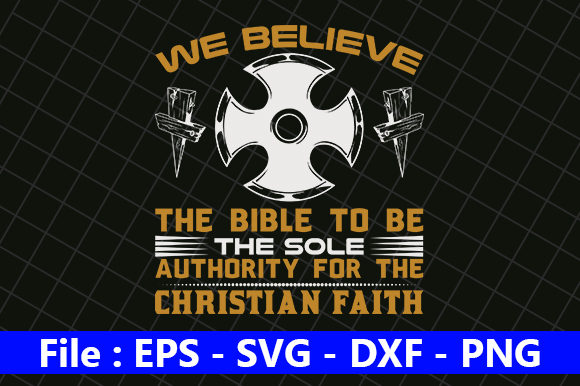
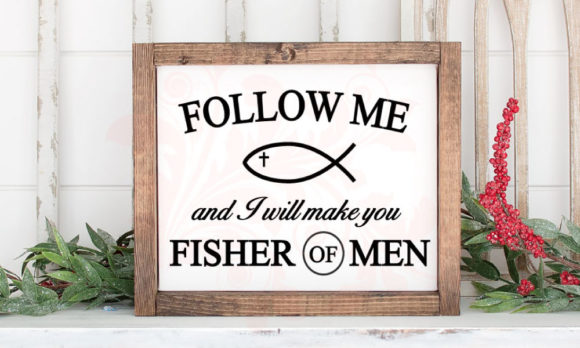
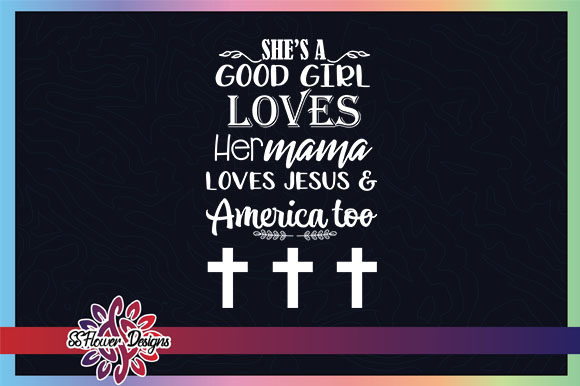
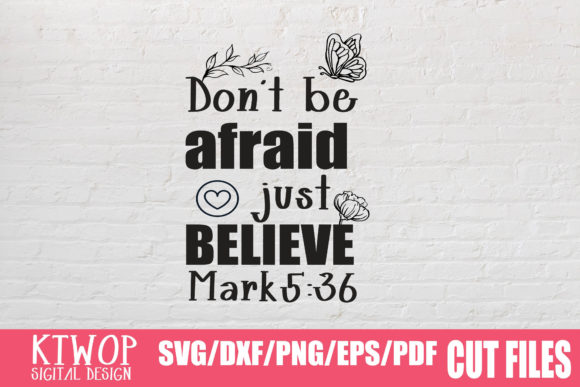
The Bible Verse design carries a calm, reverent tone that feels appropriate for faith-based products. The layout is clean and readable, which is essential for any text-heavy embroidery. I immediately thought of custom tote bags, baby baptism gifts, and personalized home decor. The visual personality is understated but meaningful, making it a strong candidate for items meant to be cherished rather than worn for a single season.
Because the design relies on the words themselves to carry the emotional weight, the choice of thread color and fabric base becomes crucial. On a light cream linen or a soft cotton, the design feels warm and inviting. On a dark heather gray, it takes on a more solemn, grounded presence. That flexibility is a real advantage for anyone running a craft business or an Etsy seller looking to offer multiple variations of the same product.
Real Project Test: Embroidering a Custom Tote Bag
I decided to test Bible Verse on a medium-weight cotton tote bag, the kind that sells well at craft fairs and in small shop merchandise. I used a medium hoop size and a tear-away stabilizer, which I typically recommend for stable fabrics like cotton canvas. The design stitched out cleanly, with the fill stitches providing enough coverage to make the text pop without feeling overly dense.
One thing I noticed during the test was how the satin stitch elements handled the curves in the lettering. The transitions were smooth, and there was no noticeable pulling or distortion on the fabric. For a handmade product that needs to look professional, that level of precision matters. I also tested a small version on a baby onesie, and the design scaled down well without losing readability. That is not always the case with text-based designs, so I was pleasantly surprised.
Where Bible Verse Shines in Commercial and Personal Work
This design is versatile enough to fit into several product categories. Here are the applications where I found it performed best:
- Custom apparel: Sweatshirts and t-shirts with a centered chest placement look polished and intentional. The design works well for both adult and youth sizes.
- Embroidered patches: Because the design is not overly dense, it stitches out well on patch material. You can trim closely around the text for a clean edge.
- Baby embroidery: Baby blankets, bibs, and onesies benefit from the soft, meaningful message. The design does not overwhelm small items.
- Holiday gifts: Christmas, Easter, or baptism gifts become more personal with this design. It feels like a thoughtful addition rather than a generic decoration.
- Home decor: Pillow covers, tea towels, and wall hangings gain a subtle faith-based accent without screaming for attention.
- Small business merchandise: If you run a craft business or sell at local markets, this design gives your products a consistent, recognizable theme that customers remember.
For commercial embroidery purposes, the design also works well in black and white mockups. That makes it easy to preview on different product photos before stitching. I recommend testing it in both light and dark fabric backgrounds to see how the contrast shifts.
Where to Approach with Caution
No design is perfect for every situation, and Bible Verse has a few limitations worth noting. The most important is fabric choice. On stretchy fabrics like lightweight jersey or ribbed knits, the text can distort if the stabilizer is not aggressive enough. I recommend using a cut-away stabilizer for stretchy materials and always testing on a scrap piece first.
Small hoop sizes can also be a challenge. If you are working with a 4x4 hoop, you may need to adjust the scale of the design to fit, which can affect the readability of smaller letters. I tested the design at about 60% of its original size, and while the text remained legible, the fine details in the thinner strokes became less defined. For best results, keep the design at a size where the fill stitches have enough room to form properly.
Dark fabrics require careful thread color planning. A white or metallic thread can pop beautifully, but if the design has thin sections, the dark background can bleed through visually. I recommend using a lightweight cut-away stabilizer and a higher thread tension to keep the stitches crisp. Also, avoid using this design on heavily textured fabrics like fleece or boucle, as the uneven surface can make the text look fuzzy.
If you are creating products that need frequent washing, such as kitchen towels or baby items, the stitch density should be reviewed. While the design is not overly dense, I would still recommend testing a wash cycle to confirm that the thread colors hold and the fabric does not pucker around the stitching.
Visual Impact, Customer Trust, and Product Value
When a customer picks up a handmade product with an embroidered design, they are looking for quality. A clean, professional stitch builds trust and makes the item feel like a personalized gift rather than a mass-produced piece. Bible Verse delivers that feeling because the text is centered, balanced, and free of unnecessary clutter. It does not try to do too much, which is a sign of good design restraint.
For Etsy sellers and small shop owners, this design can be a reliable workhorse. It fits into a faith-based niche that has a consistent audience, and it can be used across multiple product types without looking repetitive. The key is to vary the fabric, thread color, and product format so that each listing feels fresh. A printable mockup with the design placed on a tote bag or sweatshirt can help customers visualize the finished piece before they buy.
From a branding perspective, using a design like this consistently across your shop creates a recognizable style. Customers who appreciate faith-based products will return to your shop if they know you offer clean, well-stitched options. That kind of repeat business is valuable for any creative entrepreneur.
Practical Notes Before You Stitch
Before you load Bible Verse into your machine, here are a few practical steps I recommend based on my testing:
- Test on scrap fabric first. This is the most important step. Every fabric behaves differently, and a quick test run saves you from wasting material on a flawed stitch-out.
- Check thread color contrast. Hold your thread spool against the fabric in natural light. If the contrast is too low, the text will be hard to read from a distance.
- Review stitch density. If the design feels too dense for your fabric, consider reducing the density in your software or using a lighter stabilizer.
- Confirm hoop size. Make sure your hoop is large enough to accommodate the design without crowding. A tight hoop can cause distortion.
- Inspect small details. Look at the thinner strokes and the spaces between letters. If any areas look too tight, adjust the design or choose a larger size.
- Test in black and white mockups. This helps you see how the design reads without color distractions. It is also useful for listing photos.
- Compare light and dark backgrounds. The same design can look completely different on a white tee versus a charcoal hoodie. Test both if you plan to offer options.
- Use proper stabilizer. For most stable fabrics, a tear-away stabilizer works fine. For stretchy or delicate fabrics, use a cut-away stabilizer to prevent distortion.
- Check licensing before selling. Since this listing includes digital files only, confirm whether the license allows commercial embroidery and sale of finished products. If you are a digital product seller, also verify whether you can resell the file itself.
These steps might seem basic, but I have seen too many projects ruined by skipping them. A few minutes of testing can save hours of frustration later.
Final Thoughts on Bible Verse for Your Embroidery Business
Bible Verse is a solid, usable design that fits naturally into the faith-based product space. It is not flashy or overly decorative, but that is exactly what makes it versatile. It works for personalized gifts, custom apparel, and handmade product lines that prioritize meaning over ornamentation. For hobbyists and makers who want a reliable text design that stitches out cleanly, this is a practical choice.
If you are an Etsy seller or small shop owner looking to expand your faith-based offerings, I would recommend testing this design on a few different product types to see where it resonates most with your audience. The file formats provided, including SVG, DXF, EPS, PNG, and PDF, give you flexibility for both embroidery and digital previews, but remember that the photos on the example are not included, so you will need to create your own mockups.
At the end of the day, a design is only as good as the project it supports. Bible Verse holds up well under real stitching conditions, and with the right fabric and stabilizer choices, it can become a reliable part of your embroidery project rotation. Whether you are making a one-time personalized gift or building a product line for your craft business, this design gives you a clean, professional foundation to work from.